 Canadian and Family Owned
What are the Best Beef Cuts? A Guide for Chefs

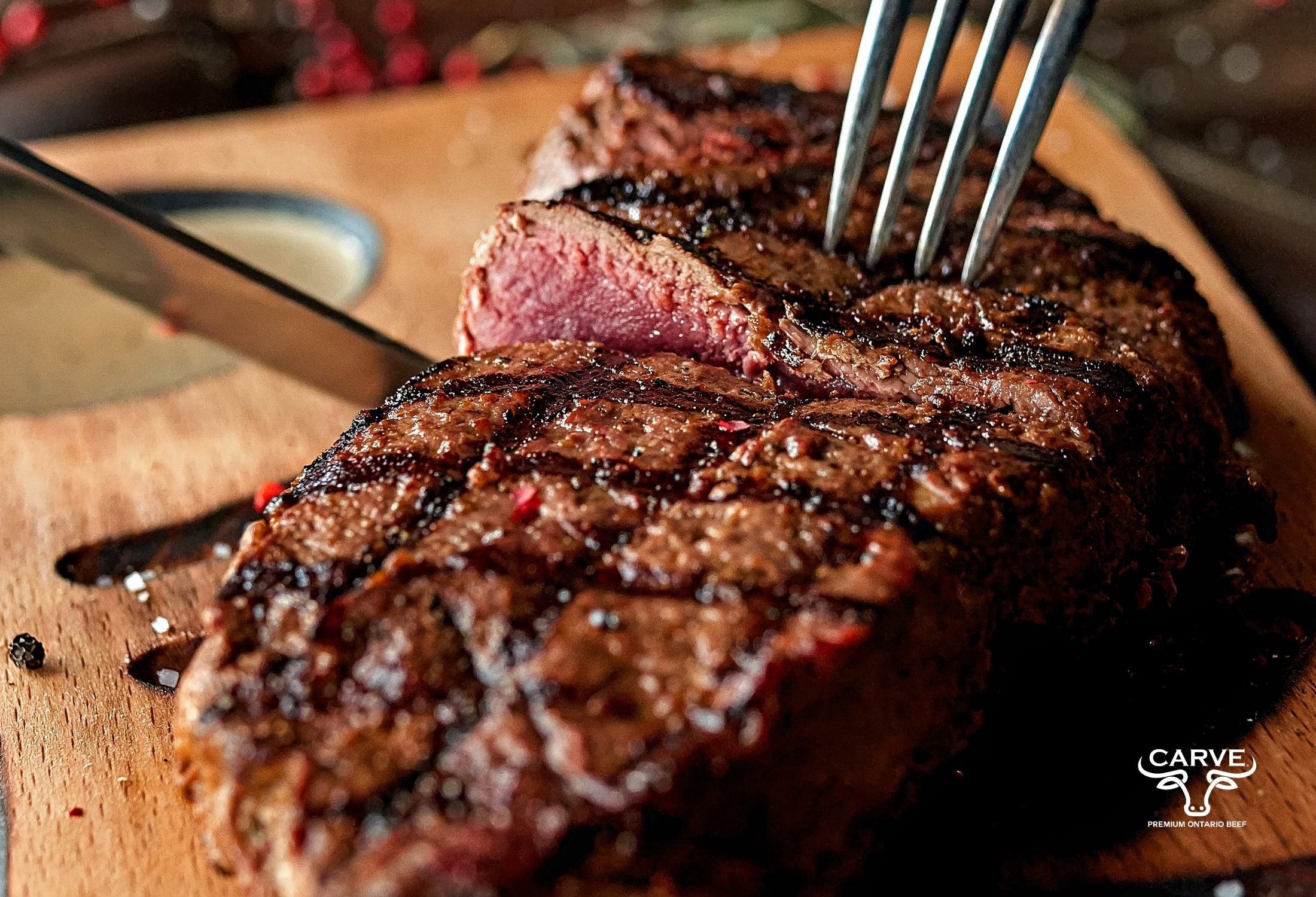
A deep understanding of beef is a cornerstone of any successful kitchen. Knowing the difference between a ribeye and a sirloin goes beyond basic butchery; it’s about unlocking potential, controlling costs, and delivering an exceptional dining experience. For foodservice professionals, mastering beef cuts is the key to creating diverse, profitable, and memorable menus that keep customers coming back.
This guide will walk you through some of the most essential beef cuts, from premium steaks to value-driven workhorses. We will explore the unique characteristics of ribeye, brisket, and sirloin, highlighting their ideal cooking methods and dish applications. You will also find practical tips on purchasing, cost-effectiveness, and how to maximize flavor, empowering you to make smarter decisions for your kitchen.
Understanding Primal Cuts and Their Offspring
A beef carcass is first broken down into large sections called primal cuts. These are the foundational pieces from which all other steaks, roasts, and ground beef are derived. The location of the primal cut on the animal tells you a lot about its texture and flavor.
Muscles that are used, like those in the leg (round) and shoulder (chuck), are tougher and have more connective tissue. They require slow cooking methods like braising or stewing to become tender. Conversely, muscles that do less work, like those along the back (loin), are naturally tender and are perfect for quick cooking methods like grilling or pan-searing.
Ribeye: The King of Steaks
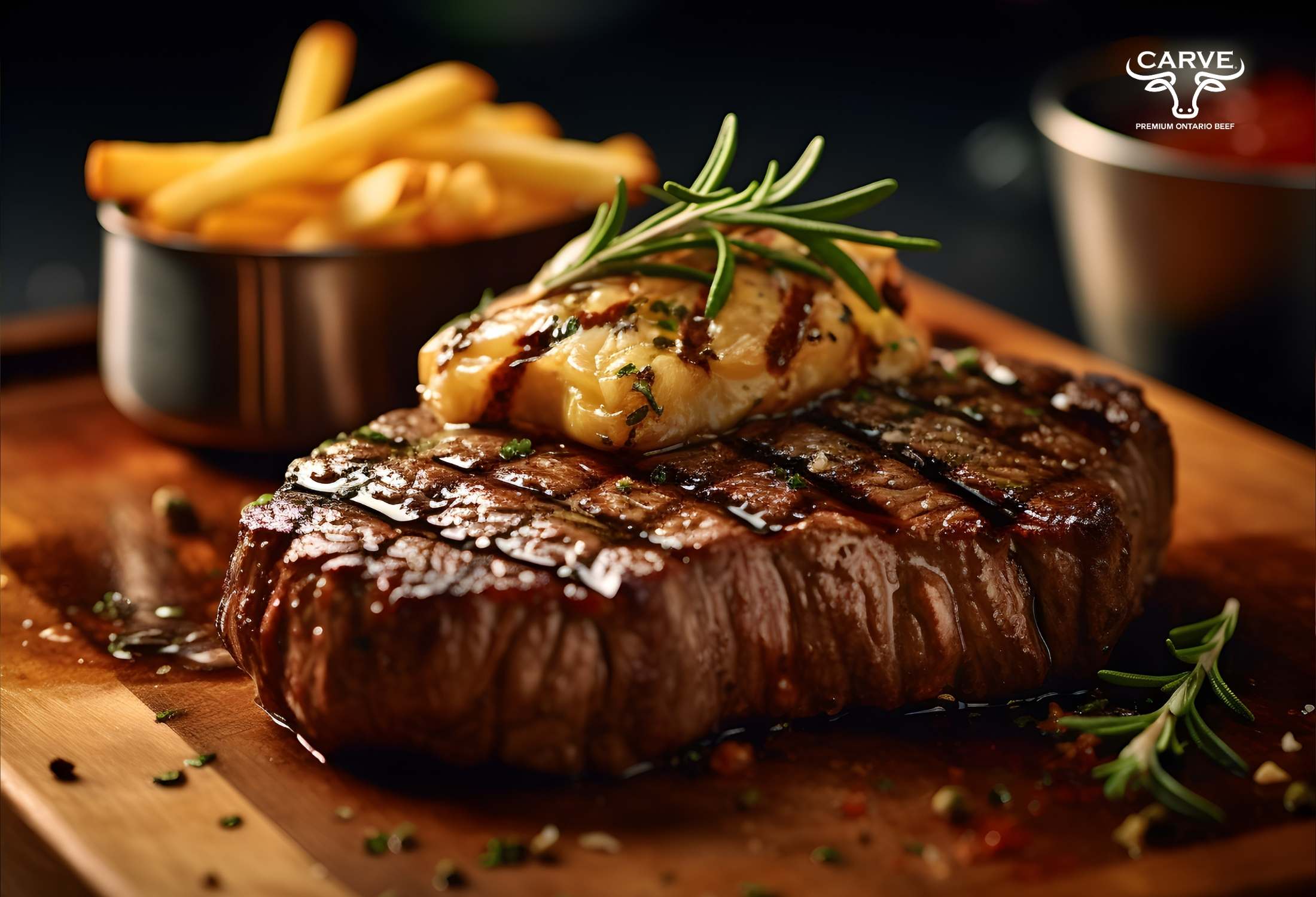
Pulled from the upper rib section of the carcass, the ribeye is celebrated for its rich marbling and deep, beefy flavor. This generous intramuscular fat melts during cooking, basting the meat from the inside out and ensuring a juicy, tender result. It’s a premium cut that commands a higher price, but its quality justifies its place on any high-end steak menu.
- Characteristics: Heavy marbling, incredibly tender, and rich in flavor. Can be purchased bone-in (cowboy steak or tomahawk) or boneless
- Ideal Cooking Methods: High-heat, fast-cooking methods work best. Think grilling, pan-searing in a cast-iron skillet, or broiling. Aim for a medium-rare to medium temperature to render the fat properly without overcooking the meat
- Dish Applications: A standalone grilled ribeye steak is a classic. It also shines as the star of steak frites, can be sliced thin for luxurious steak sandwiches, or served as a prime rib roast when cooked whole.
Brisket: The Low-and-Slow Champion
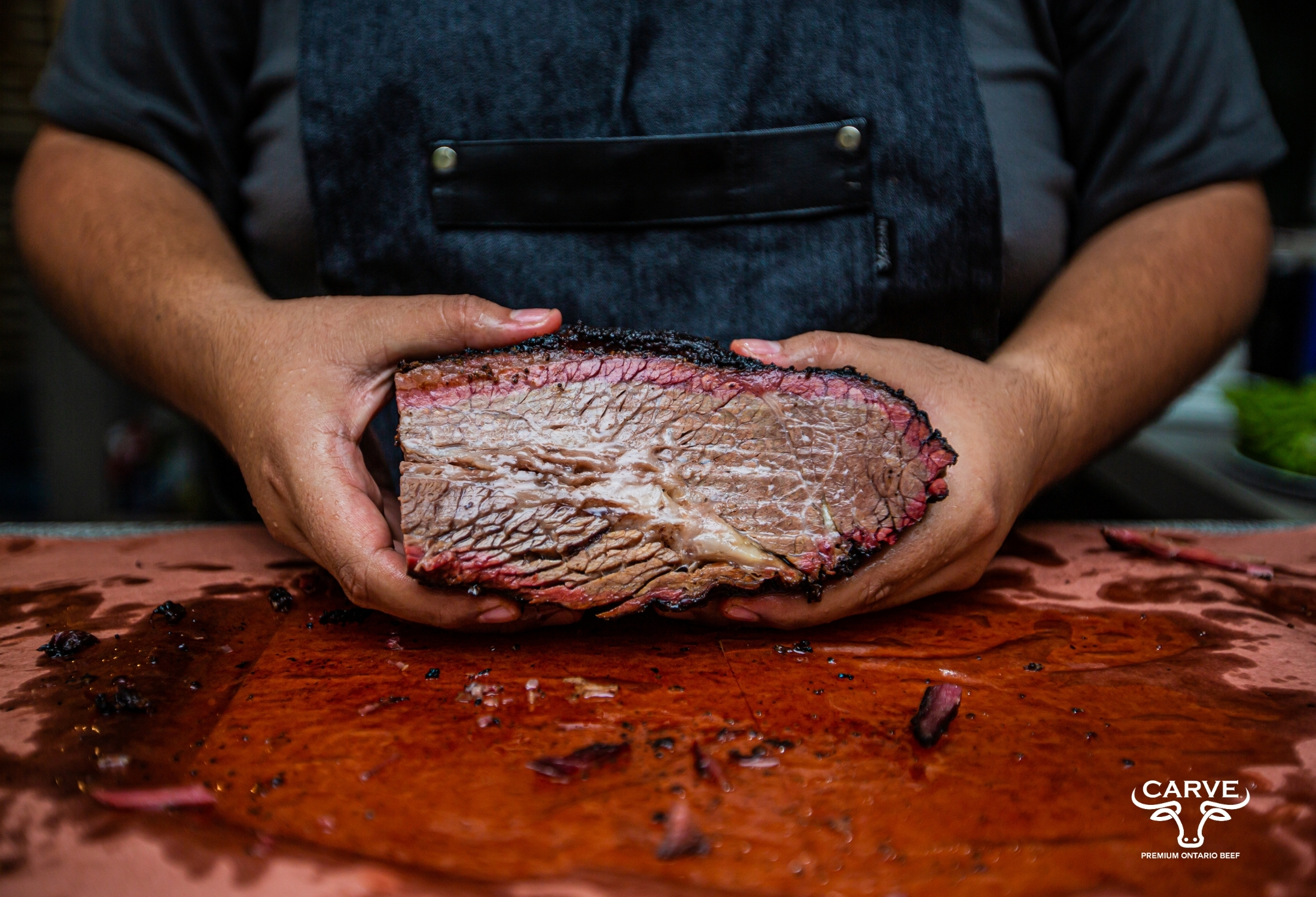
Located in the lower chest of the animal, the brisket is a tough, working muscle with a significant amount of connective tissue and fat. This cut might seem challenging, but when treated with patience, it transforms into something truly special. Its robust flavour and satisfying texture make it a favourite in barbecue and comfort food kitchens.
- Characteristics: Lean "flat" and fatty "point" sections, tough with lots of connective tissue, and a strong, beefy taste. It holds up well to strong marinades and smoke
- Ideal Cooking Methods: Low and slow is the only way to go. Braising, smoking, or slow-roasting for many hours breaks down the collagen into gelatin, resulting in fall-apart tender meat
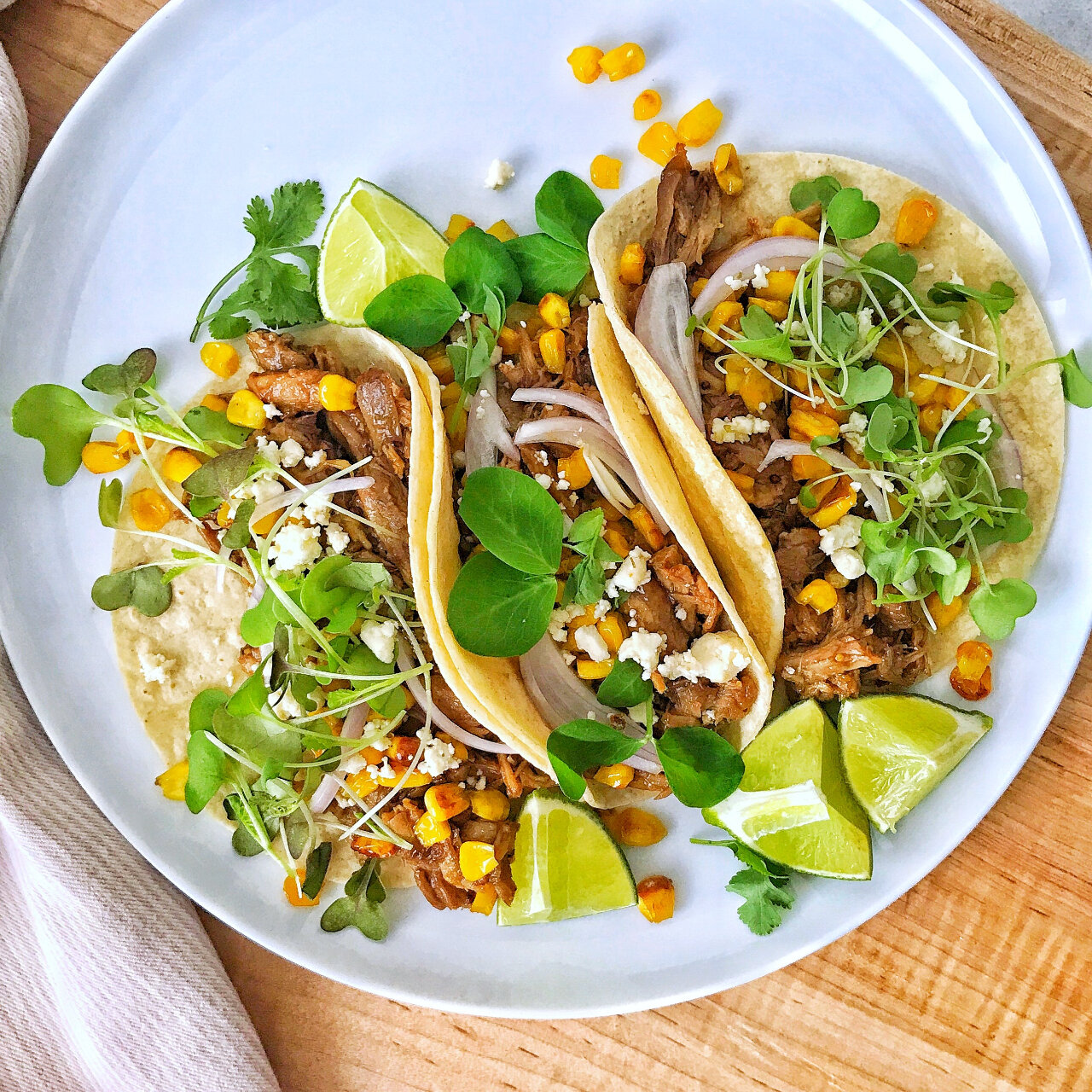
- Dish Applications: Brisket is the heart and soul of Texas-style barbecue. It's also the traditional cut for corned beef, pastrami, and is fantastic in hearty stews, pot roasts, or shredded for tacos and sandwiches
Sirloin: The Versatile Crowd-Pleaser
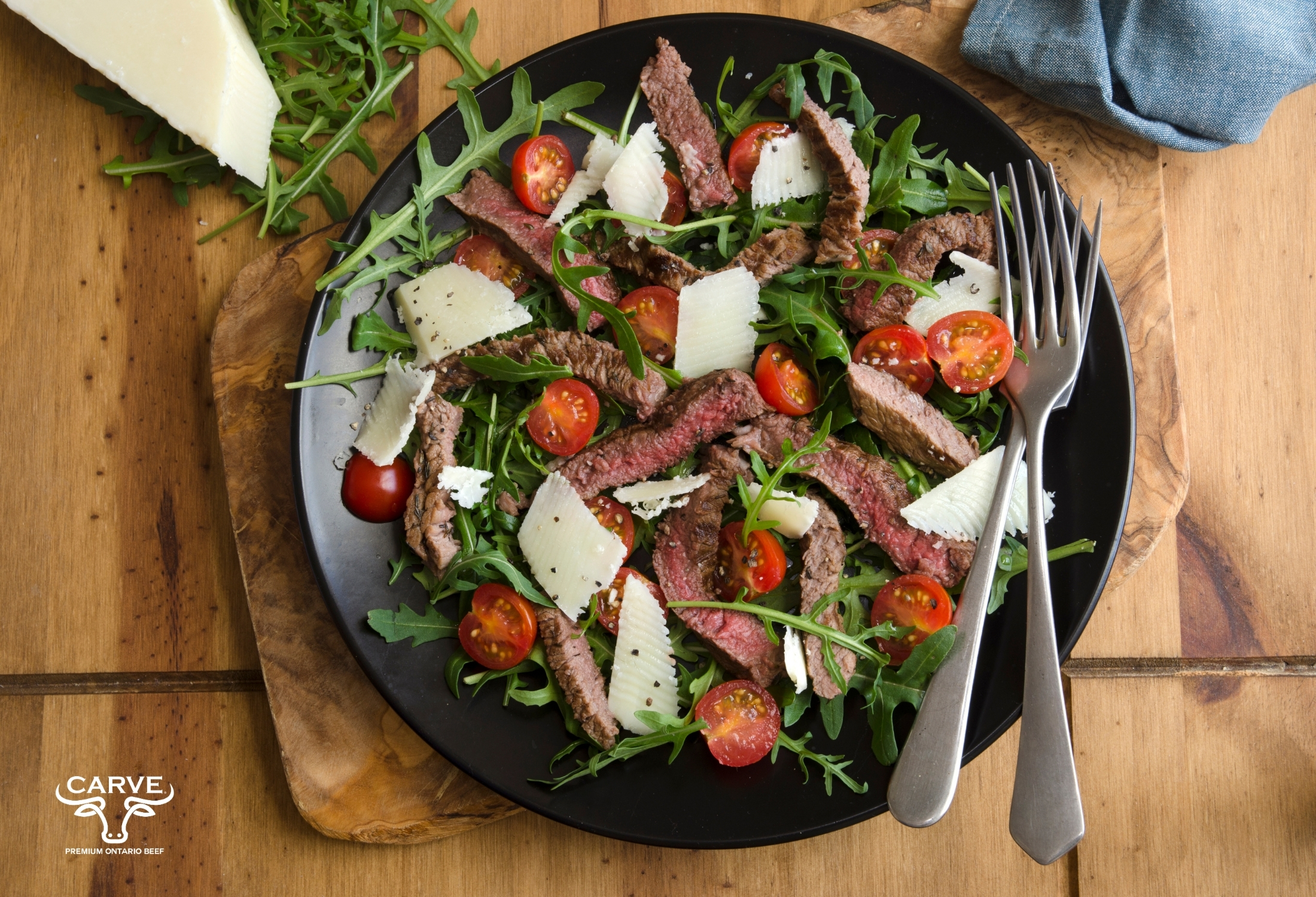
The sirloin is located behind the loin and in front of the round. It offers a good balance of flavour and tenderness at a more accessible price point than ribeye or tenderloin. While leaner than a ribeye, it still has enough marbling to deliver a satisfying, beef-forward taste. Its versatility makes it a true workhorse in a professional kitchen.
- Characteristics: Leaner than premium cuts but still tender, with a classic beef flavour. It can be portioned into top sirloin steaks, roasts, or cut into cubes
- Ideal Cooking Methods: Sirloin is quite adaptable. Top sirloin steaks are excellent for grilling, broiling, or pan-searing. It can also be roasted whole or sliced thin for stir-frying. Be careful not to overcook it, as its leaner nature can cause it to dry out
- Dish Applications: A grilled sirloin steak is a popular and cost-effective menu item. It’s perfect for kabobs, stir-fries, steak salads, and beef stroganoff. You can also grind it for high-quality burgers and meatballs
Smart Purchasing for a Better Bottom Line
Choosing the right cut is also a financial decision. Understanding how to purchase beef wisely can significantly impact your food costs and profitability.
- Buy Subprimals: Purchasing larger subprimal cuts (like a whole top sirloin or ribeye loin) and butchering them in-house can be much more cost-effective than buying pre-portioned steaks. This also gives you control over portion size and allows you to use the trim for ground beef, stews, or stocks
- Embrace Value Cuts: Don't overlook less expensive but highly flavorful cuts like flank steak, skirt steak, or beef cheek. With the right cooking technique, these cuts can be transformed into show-stopping, profitable dishes
- Talk to Your Supplier: Build a strong relationship with your meat supplier. They are a valuable resource for information on market prices, availability, and specialty cuts. They can often recommend cuts that offer the best value without sacrificing quality
Today’s Beef Trends in Foodservice
The beef landscape is constantly evolving. Staying on top of current trends can help you meet guest expectations and keep your menu fresh and relevant.
One of the most significant shifts is the growing demand for sustainably and ethically sourced beef. Consumers are increasingly interested in where their food comes from. Highlighting grass-fed, corn fed, pasture-raised, or locally sourced beef on your menu can be a powerful marketing tool and appeal to a more conscious diner.
There is also a rising interest in premium and unique cuts. While classics will always have their place, diners are becoming more adventurous. Offering cuts like the tri-tip, picanha, or a zabuton steak can create a unique selling proposition and generate excitement. This trend extends to a "whole animal" philosophy, where chefs utilize every part of the cow, minimizing waste and creating innovative, cost-effective dishes.
By combining a solid knowledge of beef cuts with smart purchasing strategies and an awareness of industry trends, you can elevate your menu, manage your costs, and consistently impress your guests.
Find Premium Beef Cuts with Carve
At Flanagan Foodservice, we’re proud to offer Carve Beef, sourced from trusted Canadian farms and graded AAA or higher for exceptional quality. With a wide range of classic and specialty cuts, Carve Beef gives chefs the consistency, tenderness, and flavor they can count on. Whether you’re menuing timeless favorites or exploring unique cuts to stand out, Carve Beef provides the premium options to help your kitchen deliver memorable dining experiences. Connect with your Flanagan Sales Professional or explore Flanagan Orders to see how Carve Beef can elevate your menu.