 Canadian and Family Owned
A Beginner’s Guide to Shucking Oysters

A Beginner’s Guide to Shucking Oysters
Unlocking the Delicacy of the Sea
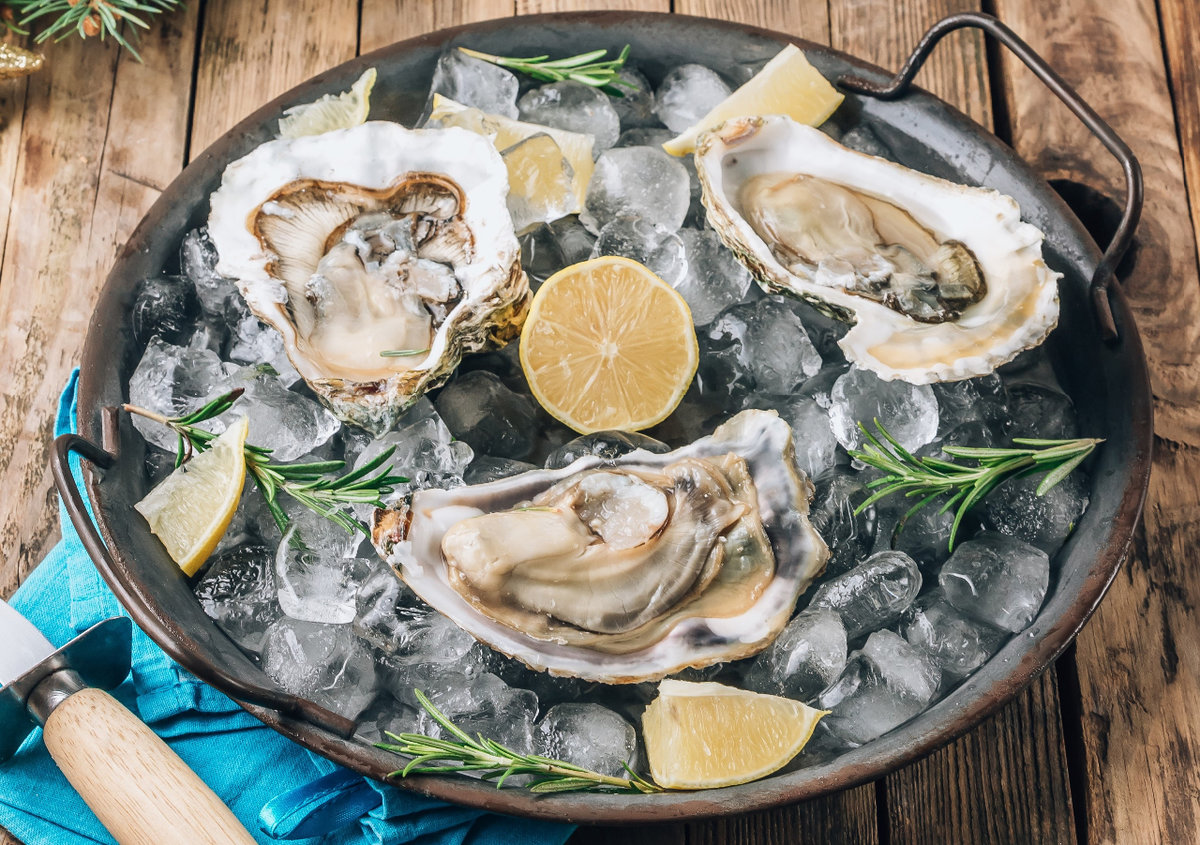
Oysters (Flanagan code 230081), with their unique briny flavour and delicate texture, have been considered a culinary delight for centuries. These bivalve mollusks offer a taste of the sea, with each variety possessing its own distinct characteristics.
Tools You’ll Need:
- Oyster knife: A short, sturdy knife with a pointed tip and a thick blade (Flanagan code: 801611, Browne Oyster Knife).
- Cut-resistant glove: To protect your hand while shucking (Flanagan code: 807868, Extra Large Metal Mesh Glove/807865 Medium Metal Mesh Glove).
- Cutting board: A stable surface to work on.
Safety Precautions:
Shucking oysters requires a certain level of caution, follow these safety guidelines to ensure a safe and enjoyable experience:
- Secure the oyster firmly: Use the mesh glove to hold the oyster in place, ensuring it doesn’t slip during shucking.
- Protect your hand: Always keep your non-dominant hand behind your back in a secure position away from the knife’s path.
- Be gentle: Apply steady, controlled pressure instead of forceful motions to prevent injury.
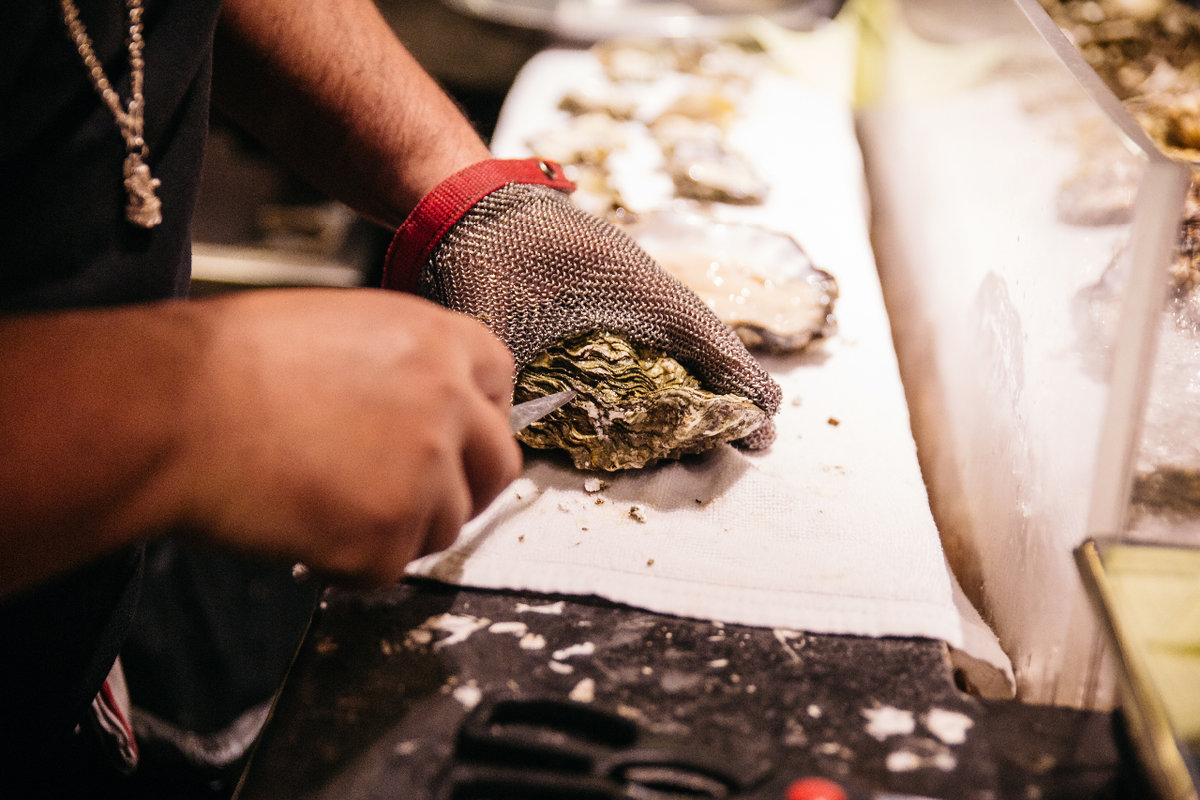
Step-by-Step Guide to Shucking Oysters:
- Prepare your workspace: Lay a clean kitchen towel or damp cloth on the cutting board to stabilize the oysters and catch any liquid.
- Identify the hinge: The hinge is the pointed end of the oyster that connects the two shells.
- Insert the knife: Hold the oyster with the cupped side down, ensuring the hinge is facing you. Gently insert the tip of the oyster knife into the hinge, applying light pressure.
- Twist and pry: Wiggle the knife back and forth while applying downward pressure until you feel the hinge pop open.
- Sever the muscle: Once the hinge is open, slide the knife along the top shell to sever the muscle that connects the oyster to the shell.
- Remove the top shell: Carefully lift off the top shell, taking care not to spill any of the precious oyster liquor.
- Free the oyster: Slide the knife blade under the oyster to release it from the bottom shell, ensuring it remains intact.
- Serve and enjoy: Place the freshly shucked oysters on a bed of crushed ice or rock salt, and serve with traditional accompaniments like lemon wedges, mignonette sauce, or a dash of hot sauce.
Oysters for the Holiday Season:
Serving oysters during the holiday season can elevate dining experiences and add a touch of indulgence. Here are a few reasons why they make a fantastic addition to holiday menus:
- Festive demand: Oyster consumption increases significantly during the holiday season, making them a sought-after delicacy that can attract diners craving special culinary experiences.
- Symbolism and elegance: Oysters embody luxury, sophistication, and celebration. Their inclusion in holiday menus reflects opulence and adds a touch of elegance to any dining occasion.
- Versatility and creativity: Oysters offer endless possibilities for creative preparations and presentations. From classic Rockefeller or Kilpatrick variations to innovative ceviches and briny shooters, oysters can be adapted to suit a variety of taste preferences.
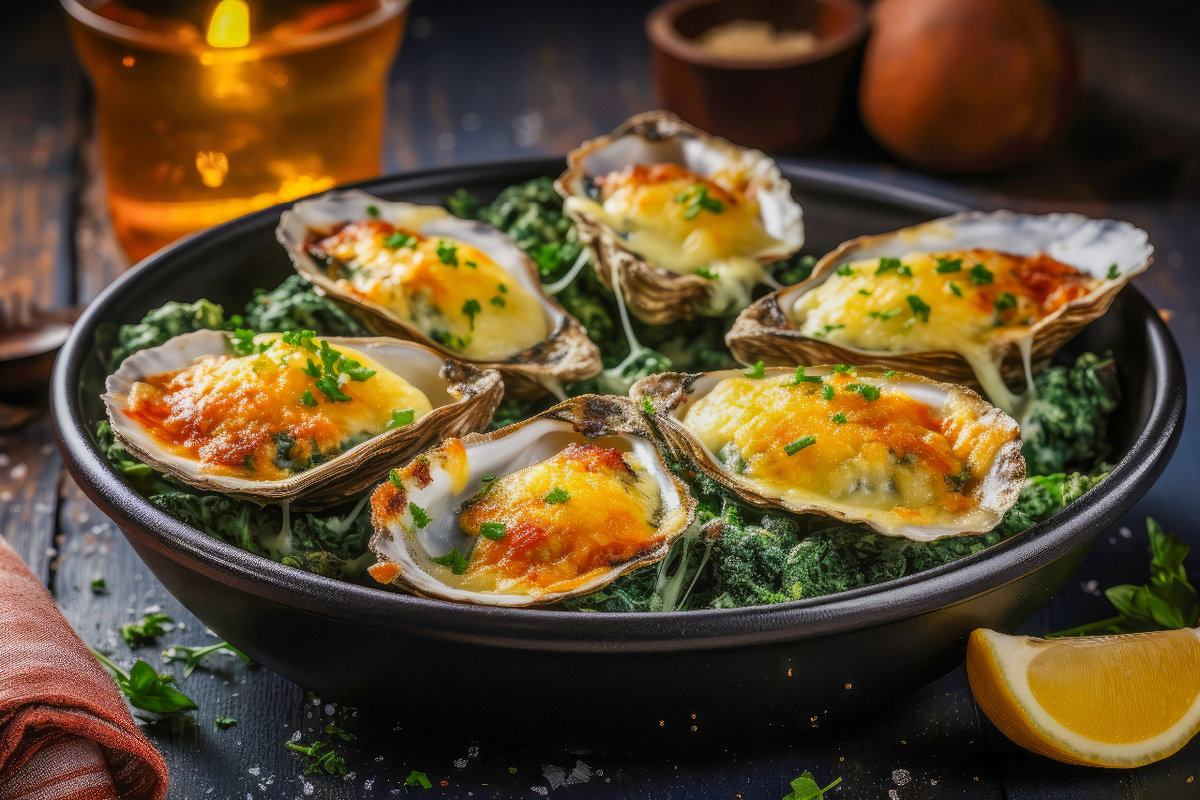
Plating Suggestions
Showcase the beauty and flavours of oysters at your holiday gatherings with these plating suggestions:
- Classic Mignonette Oysters: Serve freshly shucked oysters on a bed of ice, accompanied by a tangy mignonette sauce made with shallots, vinegar, and cracked black pepper.
- Oyster Shooters: Combine freshly shucked oysters with a splash of vodka, tomato juice, horseradish, and a squeeze of lime for a refreshing and flavourful shooter.
- Oyster Rockefeller: Elevate the classic Rockefeller preparation by topping the oysters with a blend of spinach, bacon, breadcrumbs, and Parmesan cheese, then broiling until golden and bubbling.
Remember, whether you’re a novice or a seasoned chef, shucking oysters is an art that requires practice and patience. So, grab your oyster knife, put on your shucking gloves, and embark on a culinary adventure into the world of these delectable bivalves.
Happy shucking and bon appétit!